Beyond the Stream: How Gaming Creators Are Quietly Building Empires You Can't See on Twitch

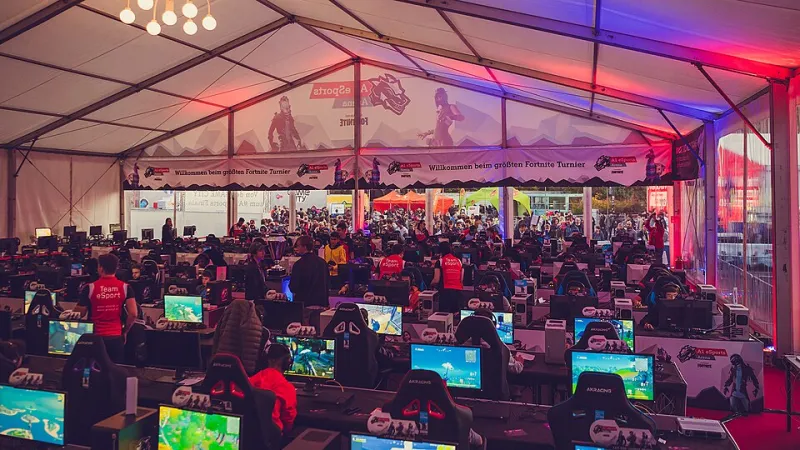
Photo: No machine-readable author provided. Gameposo assumed (based on copyright claims)., Public domain, via Wikimedia Commons
If you've been watching the same gaming streamer for a couple of years, you probably think you know their whole deal. They go live, they play whatever's trending, they clip the funny moments, they call it a night. Rinse, repeat, build audience. Simple enough story.
Except it's not the full story anymore — and hasn't been for a while.
Behind the public-facing stream, a growing number of gaming creators are constructing something way more deliberate: layered, platform-independent businesses that don't need Twitch's blessing, YouTube's algorithm, or any single company's goodwill to survive. They're building infrastructure. And most of their casual viewers have no idea it's happening.
The Algorithm Problem Nobody Wants to Talk About
Here's the uncomfortable truth that every creator with more than 50,000 followers already knows: platforms are landlords, not partners. Twitch changed its revenue split structure in 2023. YouTube has quietly adjusted what counts toward monetization thresholds multiple times. TikTok's future in the US has been legally murky for over a year. Any creator whose entire income depends on one of these platforms is, financially speaking, living in someone else's house.
The smarter streamers figured this out early. They watched what happened to creators who got banned, demonetized, or simply buried by a recommendation algorithm that decided someone else was more valuable that week. The lesson wasn't subtle: diversify or stay vulnerable.
"The platform is a funnel, not a foundation," said one mid-tier Twitch streamer who asked to stay anonymous while discussing their income structure. "I use it to meet people. The actual relationship happens somewhere else."
Discord as the New Headquarters
If you want to understand where a streamer's real community lives, look at their Discord server — specifically the paid tiers.
What started as a free chat tool has evolved into something closer to a membership club. Top gaming creators are running Discord servers with tiered access: free members get a lobby, paying members get the back room. Exclusive gameplay sessions, early access to content, direct Q&A channels, private coaching calls for games like Valorant or League of Legends — the value proposition inside these paid communities is genuinely different from anything happening on the public stream.
The economics are surprisingly solid. A creator with 200,000 Twitch followers might convert 2,000 of them into Discord members paying $10 a month. That's $20,000 in monthly recurring revenue that doesn't fluctuate based on ad rates, doesn't disappear if a brand deal falls through, and doesn't get touched if Twitch decides to change its cut structure again.
More importantly, it's a direct relationship. No middleman. No algorithm deciding who sees what.
Patreon's Quiet Comeback in the Gaming Space
Patreon had a moment around 2017-2018, then sort of faded from the cultural conversation. In gaming creator circles, though, it never actually went away — it just got more sophisticated.
The Patreons that are working right now aren't the ones offering a Discord role and a shoutout. They're structured more like subscription products. Exclusive video series. Monthly game recommendation deep-dives. Behind-the-scenes content about the business of streaming itself — which, it turns out, a significant chunk of the gaming audience is deeply curious about.
One creator who runs a popular retro gaming channel told us their Patreon generates more monthly income than their YouTube ad revenue, despite having fewer than 5% of their subscriber count as paying members. The key, they said, was treating it like a product rather than a tip jar.
The Platform Hedge: Why Kick, Rumble, and Others Actually Matter
You don't have to love every alternative platform to understand why smart creators are maintaining a presence on them. It's pure risk management.
Kick, the streaming platform backed by Stake.com, has been aggressively signing gaming creators with revenue deals that make Twitch's numbers look embarrassing. Rumble, despite its political associations, has a gaming vertical that some creators are using purely as a backup archive. YouTube remains the dominant video-on-demand option, but creators are increasingly treating it as a secondary destination rather than a primary one.
The strategy isn't about abandoning Twitch or any single platform. It's about making sure no single platform's bad day becomes your financial catastrophe. A creator who streams on Twitch, archives on YouTube, runs a Discord community, and maintains a Patreon essentially has four separate revenue streams with four separate audience touchpoints. Losing one doesn't sink the ship.
Merchandise, but Make It Niche
Generic merch — hoodies with a logo, mouse pads with a catchphrase — is largely played out. The gaming creators who are building durable businesses have gotten much more specific.
Limited-run items tied to community moments. Collab pieces with indie game developers whose work the streamer genuinely champions. Physical versions of digital content: printed strategy guides, custom card decks for tabletop crossover audiences, even zine-style publications recapping major streaming events.
The logic is the same as everything else in this ecosystem: create something that exists independently of any platform's infrastructure. A physical product can't be delisted. A limited run creates scarcity, which creates demand, which creates revenue that doesn't require a single algorithm to cooperate.
What This Means for the Future of Entertainment
The broader implication here is genuinely interesting for anyone who follows where entertainment is heading. The most successful gaming creators aren't really streamers anymore in the traditional sense. They're entertainment entrepreneurs who use streaming as one distribution channel among many.
That shift has real consequences. It means the audience relationship is changing — becoming more intentional, more segmented, and in some ways more valuable. The 2,000 people paying for Discord access are more engaged than the 200,000 casual Twitch followers in almost every measurable way. Brands are starting to notice. Sponsorship deals are increasingly being structured around access to those inner circles rather than raw viewer counts.
It also means the platforms themselves have less leverage than they used to. When a creator's income is genuinely diversified, the threat of demonetization or a policy change loses most of its teeth. That's a power shift that the platforms are absolutely aware of, even if they don't talk about it publicly.
The stream you're watching is the tip of an iceberg. Underneath it, someone is quietly building something that doesn't need your platform's permission to exist. And honestly? That's kind of fascinating to watch unfold.