After Midnight: The Hidden Gaming Worlds That Only Come Alive When Everyone Else Logs Off
Somewhere around 1:30 in the morning, a Discord server with 340 members lights up. Not because an algorithm pushed a notification. Not because a brand partnership dropped. Because someone in Ohio just pulled off something nobody in that server has ever seen before, and the only people awake to witness it are exactly the right people.
This is where entertainment actually lives.
Forget the primetime streams. Forget the curated highlight reels and the polished YouTube thumbnails. The most alive, most genuine, most flat-out fun corners of gaming culture exist in spaces that most people will never stumble into — and that's not a bug. That's the whole point.
The Algorithm Doesn't Clock In at Midnight
Here's the thing about big platforms: they're optimized for attention at scale. Twitch, YouTube, even TikTok — they're all running the same basic math. What gets boosted is what gets clicked, what gets clipped, what converts. That machinery works pretty well during peak hours when millions of eyeballs are available to harvest.
But late at night, the machinery slows down. The sponsored streams wrap up. The variety creators with 200,000 followers log off. And what's left is something the algorithm genuinely cannot replicate: people who are there because they want to be there.
Late-night gaming communities don't perform for discovery. They don't front-load their best moments for clip culture. They just exist, in real time, doing whatever they feel like — and that authenticity is magnetic to anyone who finds it.
Niche Servers, Serious Energy
Take the world of obscure Discord servers built around hyper-specific games. There are active communities dedicated to games that haven't received a major update since 2011. There are servers for regional fighting game scenes that have been running weekly brackets since before streaming was even a mainstream concept. There are forum threads on sites that look like they were designed in 2004 — because they were — that still see daily posts from people who have been playing the same game for two decades.
These aren't nostalgic relics. They're active. And they're doing something the big platforms structurally cannot: they're building institutional memory.
When a veteran player in one of these communities shares knowledge, it doesn't disappear into a content feed that refreshes every four hours. It gets pinned. It gets referenced. It becomes part of the community's actual culture. New players who find these spaces don't just get a game — they get a history.
That's entertainment in a form most people have forgotten is possible.
The After-Hours Collective Mentality
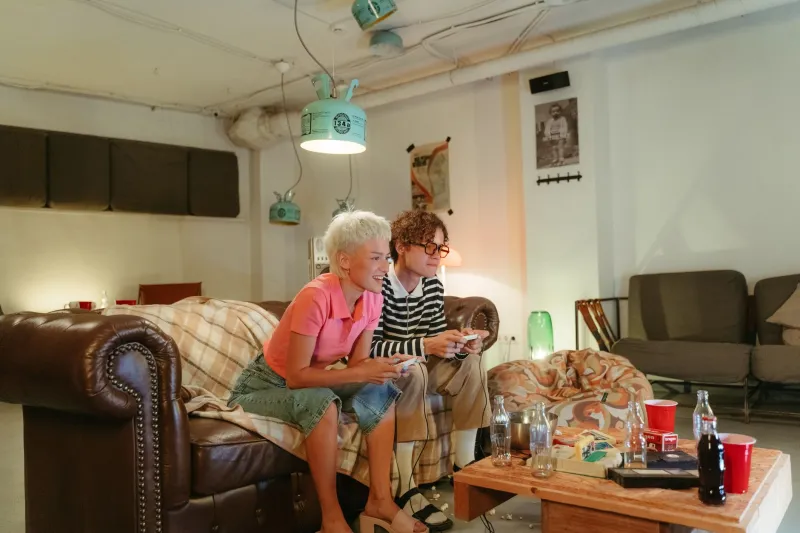
There's also just a different vibe that happens late at night in gaming spaces. Anyone who's ever been part of a small multiplayer group at 2 AM knows what this feels like. The stakes drop. The performative stuff falls away. People start experimenting, goofing around, trying runs they'd never attempt during peak hours when the pressure to perform is higher.
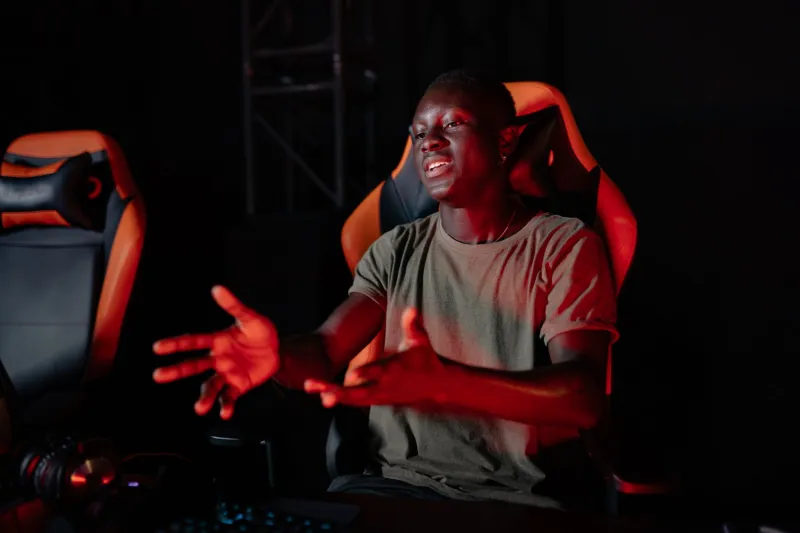
Some of the most creative gaming moments — wild speedrun attempts, impossible challenge runs, completely unhinged co-op sessions — happen during these off-hours windows when nobody's really watching and the participants have given themselves permission to just play.
Small streaming communities operate the same way. Streamers with 40 or 50 regular viewers who all know each other by name. Chat that's actually a conversation, not a scroll of emotes flying past too fast to read. Moments that feel genuinely shared rather than broadcast.
This is the stuff that makes people remember why they got into gaming in the first place.
Why Mainstream Platforms Can't Fake It
Big platforms have tried to manufacture this energy. "Just chatting" streams, parasocial creator formats, Discord servers run by massive influencer brands — all of it is an attempt to bottle the intimacy of small communities and sell it at scale. It never quite works.
The reason is simple: intimacy at scale is a contradiction. The moment a community gets optimized for growth, it starts losing the qualities that made it worth growing into. Moderation becomes a logistics problem. Inside jokes stop landing because half the room just arrived. The regulars drift away and find somewhere smaller.
Late-night gaming communities tend to stay small not because they're failing, but because smallness is the product. The friction of finding them — the weird forum you had to dig for, the Discord invite that only gets shared person-to-person — is a feature. It filters for people who actually care.
What You're Actually Missing
If you've only ever experienced gaming entertainment through the top of the Twitch directory or the YouTube trending tab, you're genuinely only seeing a fraction of what's out there. And it's arguably not the most interesting fraction.
The late-night stuff is harder to find. It requires a little effort — poking around Reddit rabbit holes, asking in the right forums, being a regular somewhere long enough that someone trusts you with an invite link. But what's on the other side of that friction is entertainment that feels earned.
A 200-person Discord where someone just cracked a puzzle that's stumped the community for three months. A forum thread where a guy in Montana and a woman in Florida have been collaborating on a strategy guide since 2019 and are genuinely friends now. A 2 AM stream where a player who'll never hit 1,000 followers does something so unexpected that the twelve people watching lose their minds in real time.
None of this shows up in the algorithm. None of it is optimized. All of it is real.
Finding Your After-Hours Feed
So where do you actually find this stuff? Honestly, that's part of the deal — there's no clean directory. But some reliable starting points:
- Subreddits for older or niche games often have links to active Discord servers that have outlasted the game's mainstream moment.
- GameFAQs boards, which feel ancient by internet standards, still host active communities for titles with dedicated fanbases.
- Twitter/X searches for specific game titles late at night will sometimes surface active players who are part of communities they're not advertising.
- Twitch's lower directories — page four or five of a game category — is where small streamers with tight communities actually live.
The pattern is the same everywhere: go deeper, go smaller, go later.
The entertainment that actually hits different isn't waiting at the top of a trending list. It's somewhere after midnight, in a server with a weird name, run by people who never once thought about optimizing for growth. And if you find it, you'll probably understand immediately why they didn't bother.
Some things are better when they stay a little hard to find.