Dead Shows Walking: The Canceled Series Haunting Your Streaming Queue Right Now
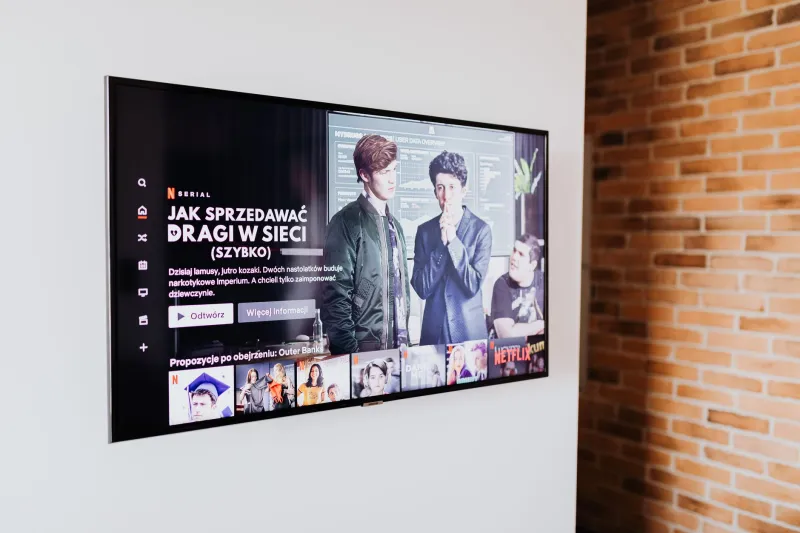
You've been there. You're scrolling through your watchlist on a Tuesday night, looking for something to sink into, and you stumble across a show you half-remember saving months ago. You click play. One episode becomes three. You're hooked. The writing is sharp, the cast is doing real work, and the storyline is clearly building toward something big.
Then you hit the finale. Except it's not a finale. It's just... the last episode that ever got made. A cliffhanger that was never meant to be one. And somewhere buried in the show's description — if you dig for it — there's a quiet little note that the series was canceled two years ago.
Welcome to the streaming graveyard. Population: more shows than anyone's keeping count of.
The Purgatory Problem
Here's the thing about how streaming platforms handle canceled content: they don't really have a policy. Not a visible one, anyway. Unlike traditional TV, where a canceled show either got syndication deals or quietly disappeared from the schedule, streaming libraries operate on a different logic entirely. Shows don't get pulled automatically when they're axed. They just stop being pushed.
No banner. No badge that reads "Series Ended — No Conclusion." No algorithmic flag warning you that you're about to emotionally invest in something that got the axe before the writers' room could wrap the story up. The show just sits there in the catalog, equally searchable as everything else, waiting for the algorithm to surface it to someone who has no idea what they're walking into.
This isn't an accident. It's a byproduct of how streaming libraries are built — as massive content warehouses where discoverability is a feature and curation is an afterthought. The goal is volume. The more titles in the library, the more perceived value the subscription has. Whether those titles have endings is a secondary concern at best.
The Viewer Gets Left Holding the Bag
For audiences, the frustration is real and it's specific. It's not just the disappointment of a canceled show — that's been part of TV culture forever. It's the discovery problem. When you find a canceled show on a streaming platform years after the fact, there's no cultural conversation to warn you. You're not seeing the Twitter outrage from when it got axed. You're not catching the Reddit threads where fans mourned the unresolved plotlines. You're just watching, fully invested, completely blind.
That gap between emotional investment and available information is where streaming platforms are quietly failing their users. A show that aired in 2019 and got canceled after one season is still getting recommended to new subscribers in 2025. The algorithm doesn't know — or care — that it has no ending. It just knows you watched three episodes of something vaguely similar and this title has a decent engagement rate.
The result is a kind of recurring disappointment cycle. You find something, you love it, you hit a wall. Then you spend twenty minutes on Google figuring out what happened. Then you feel vaguely cheated, not necessarily by the cancellation itself, but by the fact that nobody told you.
What It Does to Creators
The purgatory problem hits creators in a different and arguably more painful way. When a show gets canceled but stays in the library without any context, the creative team behind it gets stuck in an awkward place. Their work is technically still accessible — still accumulating views, still generating data for the platform — but it's not being championed or contextualized. It just exists.
For writers and showrunners who had planned multi-season arcs, watching their unfinished story get discovered by new audiences over and over again is a strange kind of torture. Every few months, someone finds the show, loves it, and floods the social media accounts of the cast and crew asking whether it's coming back. The answer is always no. The cycle restarts.
Some creators have started addressing this directly — posting public notes about what the story was supposed to be, publishing planned plotlines on Reddit or Substack, giving audiences some kind of closure that the platform never offered. It's a workaround that shouldn't have to exist, but it does because streaming services haven't built a better solution.
The Backend Logic Nobody Talks About
So why don't platforms just label canceled shows more clearly? The honest answer is that transparency works against the catalog value proposition. If a streaming service flags every piece of content with its completion status, users start doing math. They start weighing whether an unfinished show is worth their time. That kind of friction is bad for engagement metrics, even if it's genuinely good for the viewer experience.
There's also a licensing angle. Some canceled shows are still in the library because the rights deals that put them there haven't expired yet. The platform might not even want the show anymore — it might not fit the current content strategy — but pulling it early could involve renegotiating contracts or eating sunk costs. So it stays. Quietly. Accumulating views from unsuspecting viewers who have no idea they're watching content the platform itself has essentially abandoned.
This is the messy backend reality of streaming libraries: they are not curated collections. They are warehouses. And warehouses don't have editors. They have inventory systems.
The Fix Nobody's Building
The solution isn't complicated. A simple, standardized label — "Series Canceled — Story Incomplete" — displayed prominently on any show that ended without a narrative conclusion would take care of most of the frustration. It would let viewers make informed choices. It would respect the emotional investment that watching TV actually requires.
Some platforms have experimented with show status indicators, but implementation is wildly inconsistent. A label might appear on a show's main page but disappear when the title gets surfaced through recommendations. Or the information lives in a buried FAQ section that nobody reads. The fix exists. The will to deploy it consistently doesn't seem to.
Until that changes, the graveyard keeps growing. New subscribers keep stumbling into unfinished stories. Creators keep fielding revival questions they can't answer. And the streaming experience stays a little more frustrating than it needs to be — not because the content is bad, but because nobody thought to put a sign on the door.
Next time your queue surfaces something you've never heard of that looks weirdly compelling, maybe Google it first. The algorithm is not your friend here. It's just doing inventory.